
EMDR Therapy
EMDR Therapy at Olney Counseling Center: What It Is, Who It Helps, and What to Expect

Eye Movement Desensitization and Reprocessing (EMDR) therapy is one of the most effective treatments for trauma and post-traumatic stress disorder (PTSD). At Olney Counseling Center, we use EMDR to help adults, teens, and children process painful memories and reduce emotional distress so they can move forward with confidence and calm.
This guide explains what EMDR therapy is, how it works, who can benefit, what to expect in treatment, and why it’s supported by decades of research.
What Is EMDR Therapy?
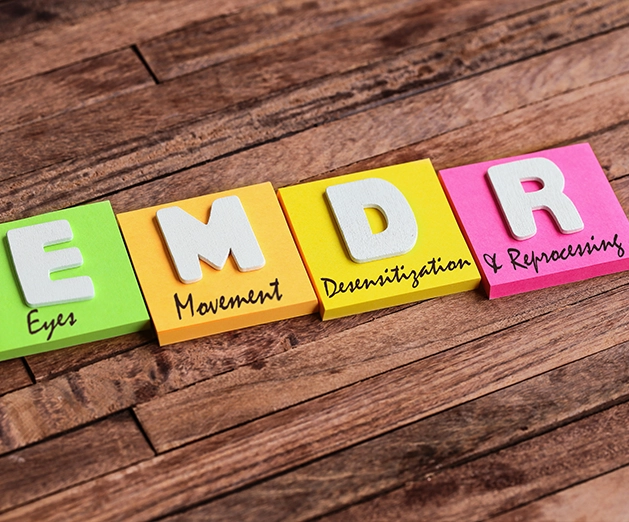
EMDR stands for Eye Movement Desensitization and Reprocessing. It’s a structured psychotherapy that helps your brain heal from distressing experiences. Instead of talking through every detail of a traumatic event, EMDR helps you access the memory, notice what comes up, and let your brain re-organize the information in a healthier way.
During EMDR sessions, your therapist will guide you through short sets of bilateral stimulation (BLS) such as eye movements, tapping, or alternating sounds while you briefly focus on a memory or disturbing image. This process helps “unstick” the memory and re-store it more adaptively, reducing the emotional charge and negative beliefs associated with it.
Developed by psychologist Francine Shapiro, PhD, EMDR has been validated through decades of clinical trials and is recommended by the World Health Organization (WHO), the American Psychological Association (APA), and the U.S. Department of Veterans Affairs (VA/DoD) as a first-line treatment for PTSD.
How EMDR Therapy Works
According to EMDR’s Adaptive Information Processing (AIP) model, trauma memories can become “frozen” in the brain with the same intense emotions, body sensations, and beliefs you had at the time of the event. When something in the present reminds you of the past, your nervous system reacts as if the trauma is happening all over again.
Bilateral stimulation helps your brain complete the natural healing process. As you focus on both the past event and the present moment, your brain reprocesses the memory until it feels less distressing and more like something that happened, not something that’s still happening. Over time, clients report that painful memories feel distant and neutral, while positive beliefs like “I’m safe now” or “I survived and I’m strong” feel true.
Researchers also believe EMDR works because it taxes working memory. Holding a vivid image in mind while tracking eye movements uses limited mental resources, which reduces the vividness and emotional intensity of the memory (van den Hout & Engelhard, Journal of Anxiety Disorders, 2012).

Who Can Benefit from EMDR Therapy
EMDR can be used with adults, adolescents, and children experiencing a wide range of emotional difficulties, especially when distress traces back to unresolved experiences.

EMDR is highly effective for PTSD related to:
- Car accidents or medical emergencies
- Physical or sexual assault
- Combat or disaster exposure
- Sudden loss or grief
- Childhood neglect or abuse
Multiple meta-analyses have shown EMDR to be as effective as trauma-focused CBT and significantly more effective than non-specific supportive therapies (Chen et al., Frontiers in Psychology, 2018).

2
Anxiety and Panic
People with panic attacks, generalized anxiety, or social anxiety often find EMDR helps uncover and reprocess the earlier experiences that fuel present-day fears.
3
Depression Linked to Trauma
Unresolved trauma can keep people stuck in self-critical patterns. EMDR helps release the emotional charge behind those experiences, which can relieve depressive symptoms and restore hope.

4
Grief and Loss
5
Chronic Pain with a Trauma Component
Research has shown EMDR can reduce chronic pain intensity and pain-related distress when physical pain is intertwined with emotional trauma (Tesarz et al., European Journal of Pain, 2014).
What to Expect in EMDR Therapy
EMDR follows a structured eight-phase protocol. Here’s what that process looks like in therapy at Olney Counseling Center.
1
History and Treatment Planning
Your therapist learns about your background, symptoms, and goals. You’ll identify “targets” for reprocessing—specific memories, current triggers, or future challenges.
2
Preparation
You’ll learn grounding and self-soothing techniques to manage emotions during and between sessions. The goal is to ensure you feel safe and in control before processing begins.
3
Assessment
Together you’ll identify the specific image, negative belief (e.g., “I’m not safe”), and positive belief (e.g., “I am safe now”) linked to the memory. You’ll rate distress on a 0–10 scale to measure progress.
4
Desensitization (Processing)
While recalling the memory, you’ll follow bilateral stimulation for brief sets. After each set, you willl notice what comes up—thoughts, sensations, emotions, or new insights. The memory gradually loses its intensity.
5
Installation
Once distress has dropped, you strengthen the positive belief using additional BLS until it feels deeply true.
6
Body Scan
You will mentally scan your body for leftover tension or discomfort, processing any sensations that arise.
7
Closure
Every session ends with grounding techniques to help you leave feeling calm and safe. You may review self-care strategies for between sessions.
8
Re-Evaluation
At the start of the next session, your therapist checks progress and plans the next target.
2
Preparation
You’ll learn grounding and self-soothing techniques to manage emotions during and between sessions. The goal is to ensure you feel safe and in control before processing begins.
4
Desensitization (Processing)
While recalling the memory, you’ll follow bilateral stimulation for brief sets. After each set, you willl notice what comes up—thoughts, sensations, emotions, or new insights. The memory gradually loses its intensity.
6
Body Scan
You will mentally scan your body for leftover tension or discomfort, processing any sensations that arise.
8
Re-Evaluation
At the start of the next session, your therapist checks progress and plans the next target.
How Many EMDR Sessions Are Needed?
The number of sessions varies. A single traumatic incident may resolve within 6–12 sessions after preparation, while complex trauma often takes longer. Research shows that improvement typically begins within the first few reprocessing sessions, and the benefits continue over time.

Examples of EMDR in Practice

1
Car Accident Trauma
After a serious accident, Jenna couldn’t drive without flashbacks. Through EMDR, she targeted the moment of impact and the belief “I’m not safe.” After several sessions, the memory felt distant and neutral. She began driving again with confidence.
2
Childhood Bullying
Eric, a 40-year-old man, struggled with social anxiety rooted in childhood bullying. EMDR helped him process those early memories, replace “I’m not good enough” with “I belong,” and ease anxiety in social situations.
3
Medical Trauma in a Child
Lily, age 10, developed panic after an emergency surgery. Using child-friendly EMDR techniques and parental involvement, she was able to talk about the hospital experience without fear and regained comfort with doctors.
Why EMDR Is So Effective
- Evidence-based: Supported by over 30 randomized controlled trials.
- Endorsed globally: Recommended by WHO, APA, VA/DoD, and NICE as a top-tier PTSD treatment.
- Efficient: Many clients experience faster symptom reduction than with traditional talk therapy.
- Holistic: Integrates mind, body, and emotion, helping you feel calmer and more present.
- Empowering: You stay in control; the therapist guides but doesn’t force retelling of trauma.

EMDR Compared to Other Types of Therapy
There are many effective ways to treat trauma and emotional distress. Here’s how EMDR differs from some of the most common approaches:
| Therapy Type | Main Focus | Best For | How Much You Talk About the Trauma |
|---|---|---|---|
| EMDR | Helps your brain reprocess painful memories using eye movements, sounds, or gentle taps | Trauma, anxiety, depression, and grief linked to past experiences | Minimal — you don’t have to describe the event in detail |
| CBT / TF-CBT | Identifies and changes unhelpful thoughts and behaviors | PTSD, depression, anxiety, mood management | Moderate — you talk about thoughts and patterns related to the trauma |
| Exposure Therapy | Gradually helps you face and tolerate trauma reminders in a controlled way | Phobias, panic, and PTSD | High — you revisit details of the trauma to reduce fear responses |
| Talk Therapy | Explores emotions, relationships, and life patterns | General stress, adjustment, life transitions | High — you discuss experiences in depth over time |
Many people choose EMDR because it allows them to heal from distressing memories without having to retell every painful detail. Others prefer approaches that involve more discussion or skill-building. The best choice depends on your comfort level and what fits your healing goals.
Is EMDR Safe?

What Makes EMDR Unique at Olney Counseling Center
At Olney Counseling Center (OCC), EMDR is offered by licensed clinicians who specialize in trauma-informed care. We integrate EMDR with other therapeutic approaches such as CBT, DBT, Attachment-Based Family Therapy, and mind-body regulation techniques to support the whole person.
We provide EMDR therapy for:
- Adults recovering from trauma or chronic stress
- Teens coping with bullying, anxiety, or family conflict
- Children healing from medical trauma or parental separation
- First responders and healthcare professionals facing burnout or vicarious trauma
Our trauma therapists in Olney, Maryland, create a calm, compassionate space for healing. Sessions are available in person and via telehealth across Maryland.
Scientific Support for EMDR
- American Psychological Association (2017): EMDR listed as a “strongly recommended” treatment for PTSD.
- World Health Organization (2013): Recommends EMDR for adults and children with PTSD.
- VA/DoD (2023): EMDR included among first-line trauma-focused psychotherapies.
- Cochrane Review (2021): EMDR reduces PTSD symptoms significantly compared with waitlist or usual care.
- Meta-analysis (Chen et al., 2018): EMDR comparable in efficacy to trauma-focused CBT for adult PTSD.

Is EMDR Therapy Right for Me?
If you’re wondering whether EMDR therapy could help, these questions can guide your decision. You don’t need to answer “yes” to all of them — they’re meant to help you reflect on your experiences and whether trauma-focused treatment might support your healing.

Questions About Your Past Experiences
- Do you have memories that still feel vivid or painful, even after months or years?
- Have you experienced trauma, abuse, or a life-threatening event that continues to affect how you think or feel?
- Do certain sights, sounds, or situations bring up fear, panic, or shame?
- Do you avoid reminders of the past because they feel overwhelming?
Questions About Your Current Symptoms
- Do you often feel anxious, tense, or “on edge” without clear reason?
- Do you experience flashbacks, nightmares, or intrusive thoughts related to something that happened to you?
- Are you easily startled or find your body reacting strongly to stress?
- Do you struggle to relax or feel safe, even in calm situations?

Questions About Emotions and Self-Perception
- Do you feel guilt or self-blame about something that wasn’t your fault?
- Have you noticed patterns of people-pleasing, withdrawal, or emotional numbness that trace back to painful experiences?
- Do you find it hard to trust others or connect emotionally in relationships?
- Do you feel like you’re “stuck” — aware of the past but unable to move beyond it?
Questions About Therapy and Readiness
- Are you looking for a structured, research-based trauma treatment that doesn’t require talking through every detail?
- Have you tried traditional talk therapy but still feel triggered or unsettled?
- Would you like to work with a trauma-informed therapist who uses techniques proven to reduce PTSD symptoms?
- Are you open to mind-body approaches that help your brain naturally heal from trauma?

What Clients Often Notice After EMDR
- The memory feels more distant and less vivid
- Emotional triggers lose intensity
- Nightmares and flashbacks decrease
- Body tension and startle response lessen
- Positive self-beliefs strengthen
- Greater sense of peace and control
These changes indicate that the brain has successfully reprocessed the traumatic memory.
Preparing for EMDR Therapy
To get the most from EMDR:
- Build daily regulation: Practice grounding or mindfulness between sessions.
- Prioritize rest and nutrition: Healing requires energy.
- Track progress: Journal any changes in dreams, emotions, or triggers.
- Communicate: Let your therapist know if distress increases between sessions—adjustments can help keep processing smooth.


How to Get Started with EMDR in Olney, Maryland
Contact us today:
References and Professional Sources
- Shapiro, F. (2001). Eye Movement Desensitization and Reprocessing: Basic Principles, Protocols, and Procedures. Guilford Press.
- American Psychological Association (2017). Clinical Practice Guideline for the Treatment of PTSD.
- World Health Organization (2013). Guidelines for the Management of Conditions Specifically Related to Stress.
- U.S. Department of Veterans Affairs & Department of Defense (2023). VA/DoD Clinical Practice Guideline for the Management of PTSD and Acute Stress Disorder.
- National Institute for Health and Care Excellence (2018). Post-Traumatic Stress Disorder (NG116).
- Chen, Y.-R., Hung, K.-W., Tsai, J.-C., et al. (2018). “Efficacy of Eye-Movement Desensitization and Reprocessing for Adults with PTSD: A Meta-Analysis of Randomized Controlled Trials.” Frontiers in Psychology.
- van den Hout, M. A., & Engelhard, I. M. (2012). “How Does EMDR Work? The Role of Working Memory and Dual Attention.” Journal of Anxiety Disorders.
- Tesarz, J., et al. (2014). “EMDR for Chronic Pain: Systematic Review and Meta-Analysis.” European Journal of Pain.